Progressive Overload
A fundamental principle of exercise training involving gradual increases in workout demands
· 2 min read · budding
Progressive overload is a key principle in exercise and fitness training where the demands placed on the body are gradually increased over time to continually improve strength, endurance, and overall fitness.
Core Concepts
- Gradual increase in workout intensity
- Systematic progression of training variables
- Focus on sustainable long-term improvements
- Balance between challenge and recovery
Implementation Methods
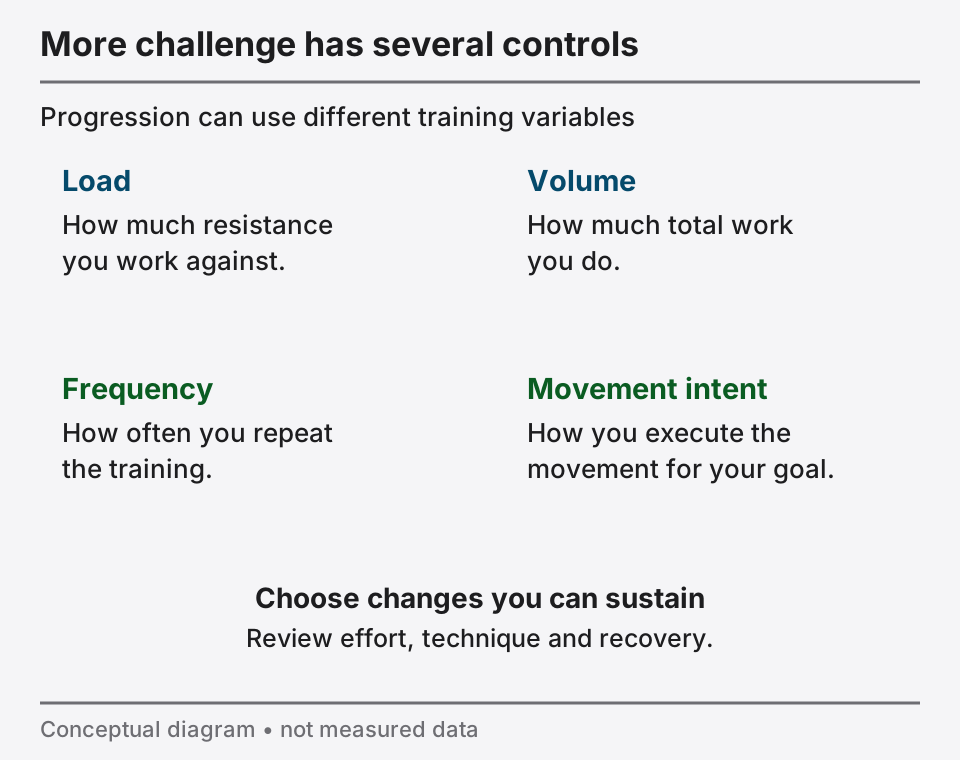
- Increasing weight/resistance
- Adding more repetitions
- Extending set duration
- Reducing rest periods
- Improving movement quality
- Increasing workout frequency
Benefits
- Continued strength gains
- Improved muscular endurance
- Enhanced athletic performance
- Reduced training plateaus
- Better adaptation response
Application Guidelines
- Start with manageable increases
- Monitor recovery between sessions
- Track progress using Workout Log
- Adjust based on Rate of Perceived Exertion
- Follow FITT Principle guidelines
Common Mistakes
- Increasing load too quickly
- Insufficient recovery time
- Inconsistent progression
- Poor form/technique
- Neglecting deload periods
Related Areas
- Exercise programming
- Stress Management for recovery
- Sleep for adaptation
- Health Metrics tracking
Tip
Sustainable Progress Focus on small, consistent increases rather than dramatic jumps in intensity to prevent injury and maintain steady progress.
Linked from
- 5-Year Health and Wellness Plan
Q3-Q4 Focus: Progressive Overload introduction
- Exercise
Progressive overload principles
- FITT Principle
Progressive Overload - Building on FITT for strength gains