System Design
Overview of system design concepts: architecture patterns, scalability, reliability, and the design process
· 1 min read · budding
Overview
System design principles and patterns for building scalable applications.
Key Concepts
Architecture Patterns
- Microservices
- Monolithic
- Serverless
- Event-driven
Scalability
- Horizontal vs Vertical scaling
- Load balancing
- Caching strategies
- Database sharding
Reliability
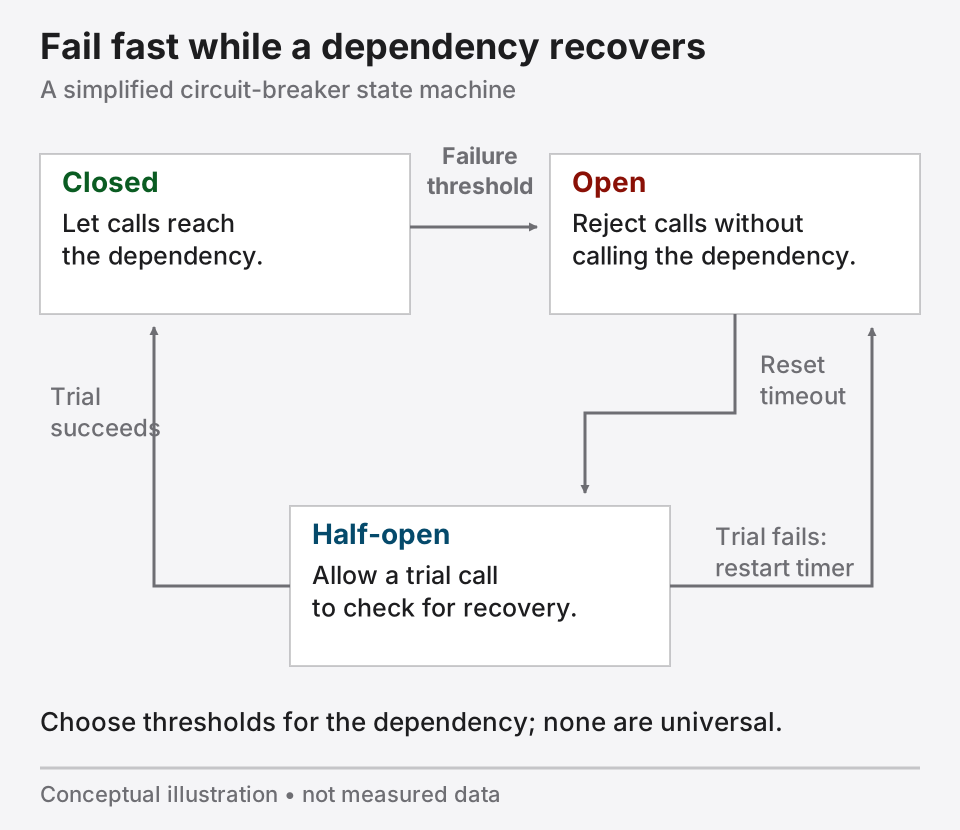
- Fault tolerance
- Redundancy
- Monitoring
- Disaster recovery
Design Process
- Requirements gathering
- Capacity estimation
- System interface design
- Data model design
- High-level design
- Detailed design
- Scalability considerations
Related Topics
- Career Journey
- Technical Skills
- Interview Preparation
- Software Engineering
Linked from
- Audit retrieval before trusting an answer
As part of System Design, keep the worksheet beside the retrieval configuration. Re-run it after changing the index,…
- Career Journey
System Design - Learning to build systems that scale (and don't wake me up at 3am)
- Career Transition Guide
Key Skills: System design, mentorship, cross-team collaboration
- Interview Preparation Hub
System design discussions
- Career Map
System Design: Mastering scalable systems and distributed architectures
- Knowledge Map
Technical Excellence: System design, data structures, and algorithms
- Home
Learning about System Design
- Deep Learning
System Design - Architecting ML systems at scale
- Grit: The Power of Passion and Perseverance
Technical Learning - Daily practice in System Design and coding
- Skills Development Hub
System design and architecture
- Skills Development
- Skills Matrix
- Technical Skills