Career Direction Framework
A structured approach to defining and pursuing career goals
· 2 min read · budding
The Career Direction Framework helps individuals define their career goals and create a plan to achieve them.
Core Components
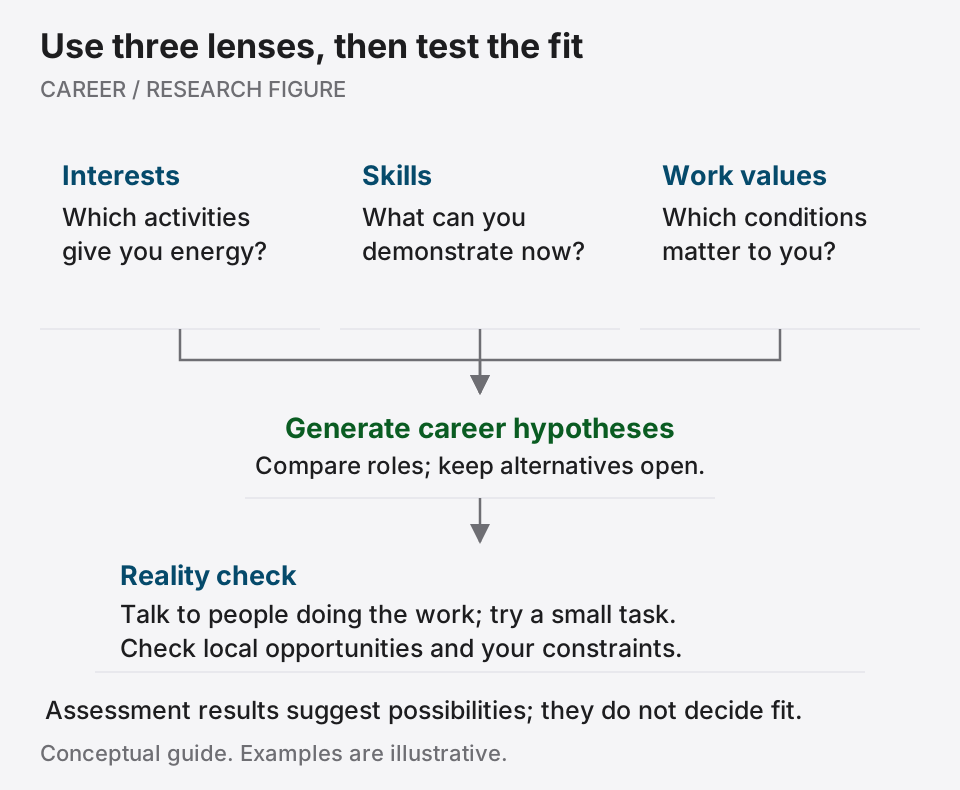
Self-Assessment
- Strengths and weaknesses
- Interests and values
- Skills and competencies
Goal Definition
- Short-term targets
- Long-term aspirations
- Alignment with personal values
Action Planning
- Steps to achieve goals
- Resource identification
- Timeline creation
Application
1. Career Transition
- Role changes
- Industry shifts
- Skill development
2. Professional Growth
- Continuous learning
- Networking
- Mentorship
Best Practices
- Regularly review goals
- Be flexible
- Seek guidance
Related Notes
Linked from
- Career Frameworks
The Career Direction Framework helps assess:
- Career Goals Framework
- Job Search Strategy
- Career Map
Career Direction Framework - Strategic career planning